The Center is an independent nonprofit charged by Congress with responding to and preventing abuse and misconduct within the U.S. Olympic and Paralympic Movement. Accordingly, our instructions on how to report a concern, training, education and advocacy materials are critical resources for your members and millions more throughout the Movement’s 50+ NGBs and PSOs. This includes local members who may not realize they are in the Movement, and so may not know how to report abuse or adhere to required policies.
We prioritize clarity and consistency in the U.S. Center for SafeSport’s representation in a wide spectrum of communications. Yet as a young organization serving dispersed stakeholders that may have functional NGB overlaps, we believe consistent brand messages and easy to understand guidelines about the Center’s role and services are foundational for clarity and consistency.
The goal for this is to express these guidelines, so as to ease your members’ knowledge and access to Center processes, scope, and services.
We welcome your partnership as we work together to end abuse in sport.
We firmly believe that our resources should be available and accessible to everyone. We are committed to improving the accessibility of our digital materials to better serve our users, regardless of ability.
The Web Content Accessibility Guidelines (WCAG) explain how to make web content accessible for people with disabilities. It defines three levels of conformance: Level A, Level AA, and Level AAA. We aim to adhere to WCAG 2.1 at the AA level, which means that our digital materials would be usable and understandable for most people. We are continually improving our materials to meet this standard.
See our full Accessibility Statement for more details about our accessibility standards.
The U.S. Center for SafeSport logo features an integrated pair of curved elements that represent the essence of sport: speed, grace, and precision. They are strategically positioned to reflect the teamwork and head-to-head competition, while simultaneously forming the letterform “S” in the empty space as a reference to the words “Safe” and “Sport”. This paired with clean and simple typography, presents a bold and confident identity.
Our Primary logo has three components, the “S” icon, the logo type “U.S. Center for SafeSport”, and the tagline “Champion Respect. End Abuse.”. The following configuration of the logo is the preferred format for components and structure. It should be used wherever possible on printed and digital applications. Always use the artwork files provided. The components and proportions should not be altered.
When using the Primary Logo ensure that there is a distance proportionate to the height of “SafeSport” on all sides of the logo between any other design elements or logos. The logo should also not be reproduced smaller than 1″ in width.
"S" Icon
Logo Type
Tagline
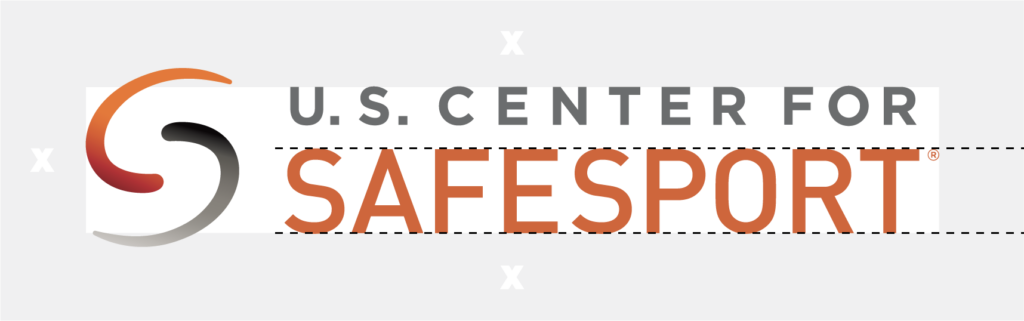
Height of SafeSport = x
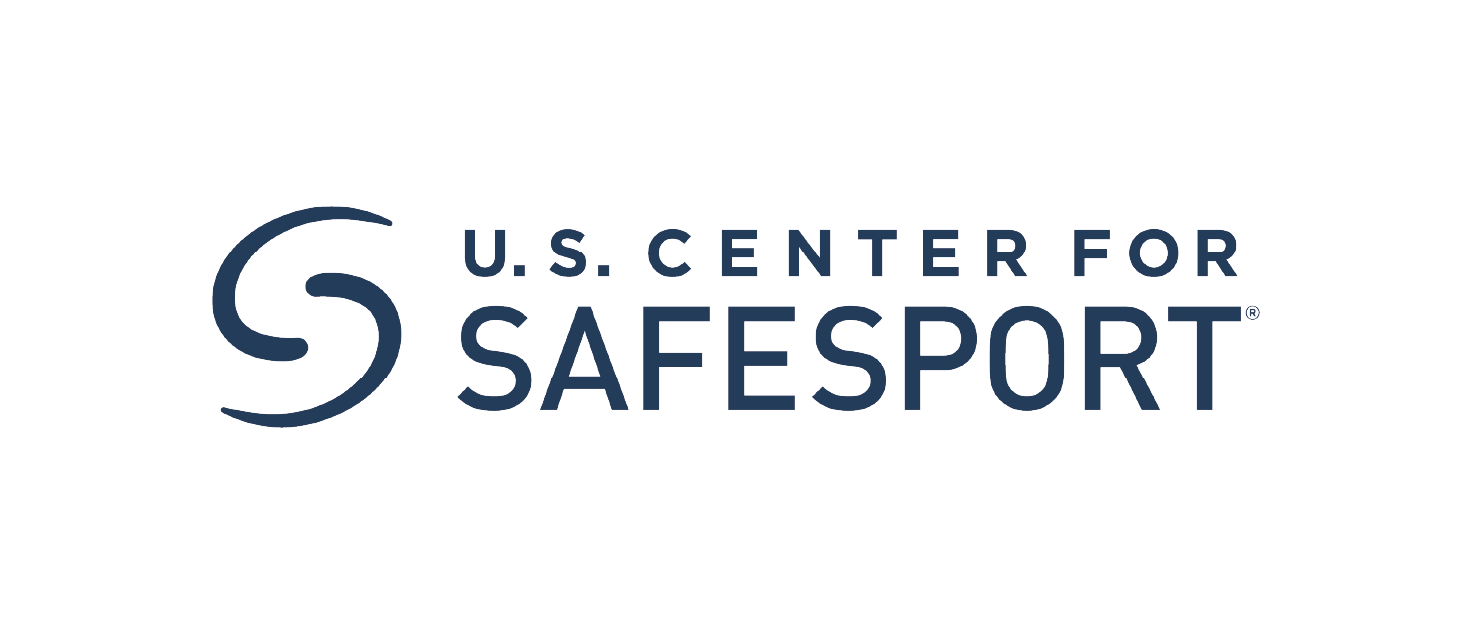
Additional variations of the logo configuration and specifications are available to meet specific application requirements.
Our secondary logo configuration should be applied for logo applications that require additional emphasis such as a “button” on a web page or when used against a complex background image. This logo variation should be used as shown, with the area within the orange border kept white (not transparent) to maximize readability.
For use when a simplified variation is preferred. The secondary badge logo can be used in black or any of the primary palette colors.
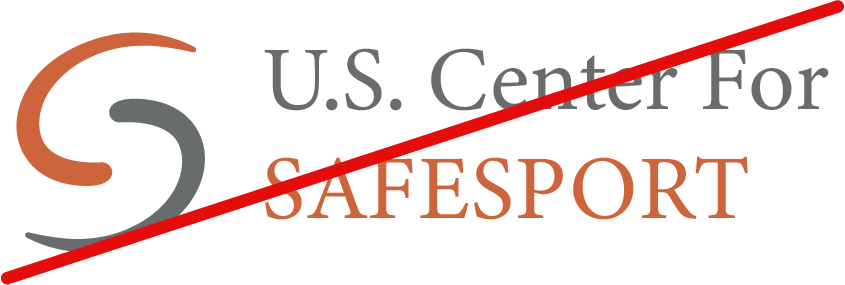
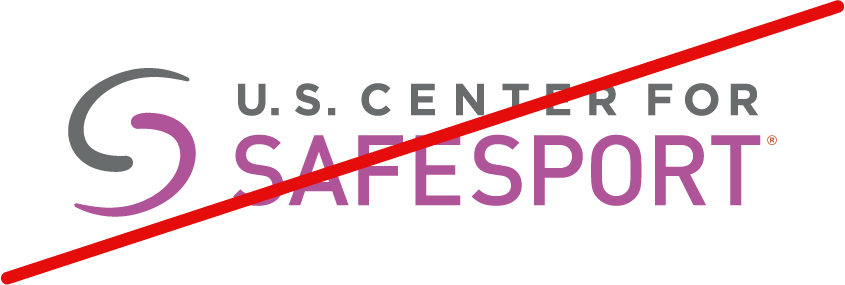
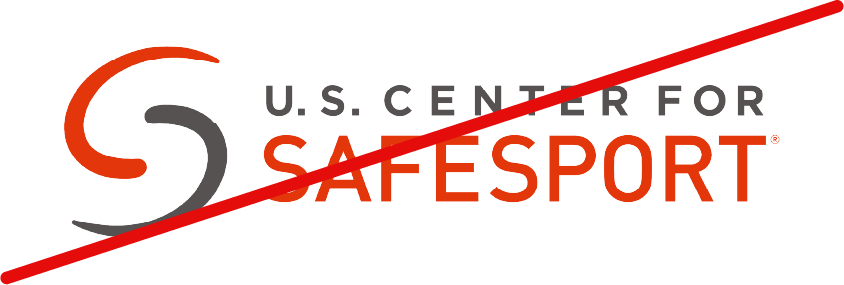
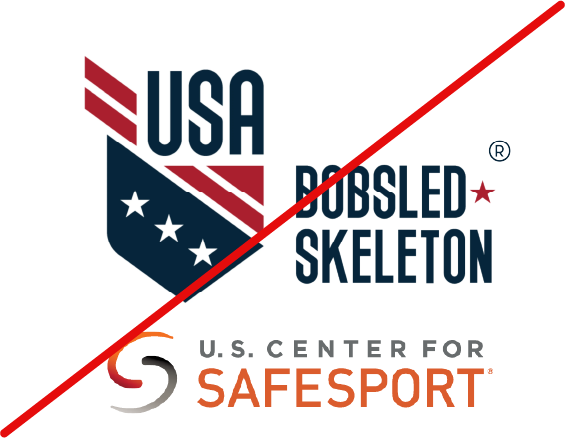
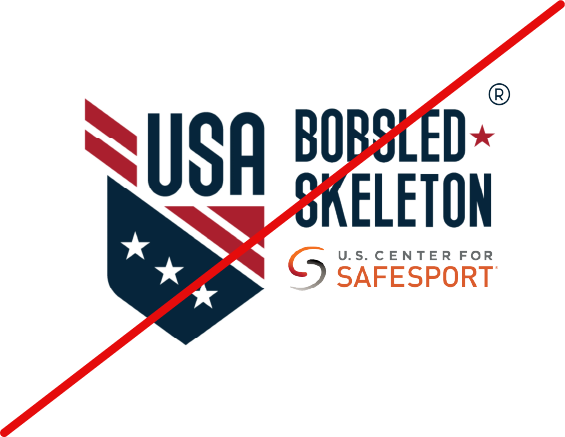
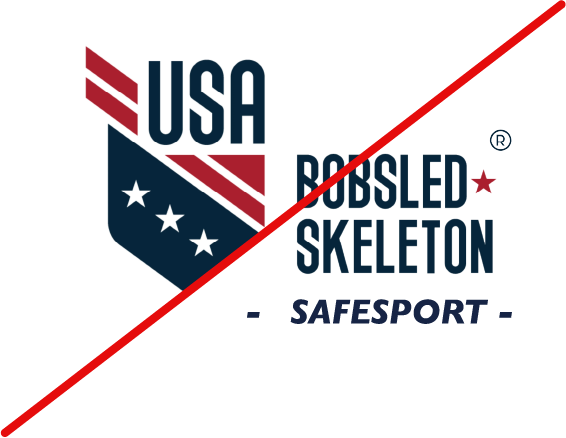
The following are examples of incorrect logo usage, these examples apply to all versions and formats of the logo identity.
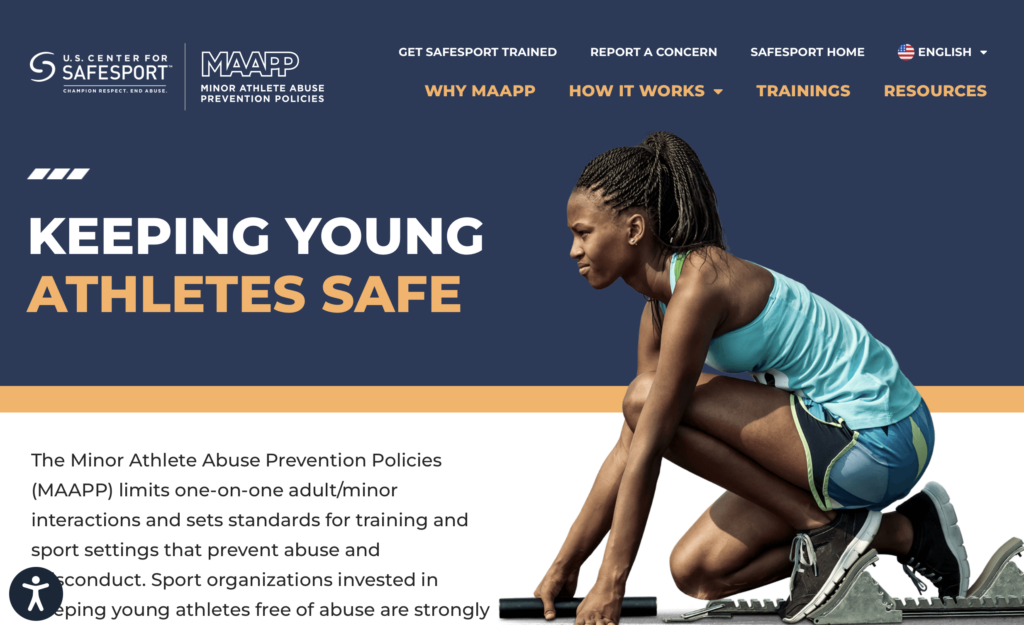
The U.S. Center for SafeSport, created the Minor Athlete Abuse Prevention Policies (MAAPP) to help young athletes be safe, supported, and strengthened. The MAAPP logo consists of two components the logo type “MAAPP” followed by the extended title of MAAPP, “Minor Athlete Abuse Prevention Policies”.
Logo Type "MAAPP"
Extended title "Minor Athlete Abuse Prevention Policies"
Items presented in the Center’s brand will always include a liberal use of white space in combination with the simple, clean application of the logo, typically in the primary color palette. All colors shown with their respective type color, passes all contrast tests unless otherwise specified. All version 10 of each color should only be used as background colors.
BLUE 40
#182638
Blue 40 – 15.3:1
Blue 40 and White pass all contrast tests.
BLUE 30
#283B5A
Blue 30 – 11.3:1
Blue 30 and White pass all contrast tests.
BLUE 20
#46627C
Blue 20 – 6.4:1
Blue 20 and White pass all contrast tests when type is at least 18 pts or bold and at least 14 pts.
BLUE 10
#CADFED
Blue 10 – 1.4:1
Blue 10 and White do not pass contrast tests. Blue 10 should only be used for background colors.
ORANGE 40
#C34F2C
Orange 40 – 4.7:1
Orange 40 and White pass all contrast tests when type is at least 18 pts or bold and at least 14 pts.
ORANGE 30
#DB5C2C
Orange 30 – 3.8:1
Orange 30 and White pass all contrast tests when type is at least 18 pts or bold and at least 14 pts.
ORANGE 20
#F28251
Orange 20 – 2.6:1
Orange 20 and White do not pass contrast tests. Orange 20 should only be used for background colors.
ORANGE 10
#FEDDC3
Orange 10 – 1.3:1
Orange 10 and White do not pass contrast tests. Orange 10 should only be used for background colors.
LT BLUE 40
#264F62
LT Blue 40 – 8.8:1
LT Blue 40 and White pass all contrast tests.
LT BLUE 30
#4A7C96
LT Blue 30 – 4.6:1
LT Blue 30 and White pass all contrast tests when type is at least 18 pts or bold and at least 14 pts.
LT BLUE 20
#75BADC
LT Blue 20 – 2.1:1
LT Blue 20 and White do not pass contrast tests. Lt Blue 20 should only be used for background colors.
LT BLUE 10
#E9F9FF
LT Blue 10 – 1.1:1
LT Blue 10 and White do not pass contrast tests. LT Blue 10 should only be used for background colors.
GRAY 40
#282828
Gray 40 – 14.7:1
Gray 40 and White pass all contrast tests.
GRAY 30
#454645
Gray 30 – 9.5:1
Gray 30 and White pass all contrast tests.
GRAY 20
#747777
Gray 20 – 4.5:1
Gray 20 and White pass all contrast tests when type is at least 18 pts or bold and at least 14 pts.
GRAY 10
#EEEEEE
Gray 10 – 1.2:1
Gray 10 and White do not pass contrast tests. Gray 10 should only be used for background colors.
RED 20
#901222
Red 20 – 9.1:1
Red 20 and White pass all contrast tests.
GOLD 20
#E28F26
Gold 20 – 2.6:1
Gold 20 and White do not pass contrast tests. Gold 20 should only be used for background colors.
YELLOW 20
#FFD400
Yellow 20 – 1.4:1
Yellow 20 and White do not pass contrast tests. Yellow 20 should only be used for background colors.
GREEN 20
#4D7557
Green 20 – 5.3:1
Green 20 and White pass all contrast tests when type is at least 18 pts or bold and at least 14 pts.
MAUVE 20
#661E62
Mauve 20 – 10.9:1
Mauve 20 and White pass all contrast tests.
PURPLE 20
#271D44
Purple 20 – 15.6:1
Purple 20 and White pass all contrast tests.
RED 10
#BF2034
Red 10 – 6:1
Red 10 and White pass all contrast tests.
GOLD 10
#FBB161
Gold 10 – 1.8:1
Gold 10 and White do not pass contrast tests. Gold 10 should only be used for background colors.
YELLOW 10
#F4E276
Yellow 10 – 1.3:1
Yellow 10 and White do not pass contrast tests. Yellow 10 should only be used for background colors.
GREEN 10
#779E7B
Green 10 – 3:1
Green 10 and White pass all contrast tests when type is at least 18 pts or bold and at least 14 pts.
MAUVE 10
#934D89
Mauve 10 – 5.7:1
Mauve 10 and White pass all contrast tests.
PURPLE 10
#3F3064
Purple 10 – 11.6:1
Purple 10 and White pass all contrast tests.
Please note that the following examples are representative sample stock images and may not be used without additional licensing.
Consistency is key to a strong visual identity. To achieve this we have our branded icons that are simplified, 2-3 color icons. Always prioritize the use of pre-approved icons to avoid confusion and ensure compliance with accessibility standards. The following are some examples of our branded icons that are universally recognized across SafeSport.
In cases where our branded icons cannot be applied, ensure that the chosen icons are universally understood and fit within SafeSport’s brand identity. Visit Remix.com to find an extensive library of icons that have been pre-approved for brand application.
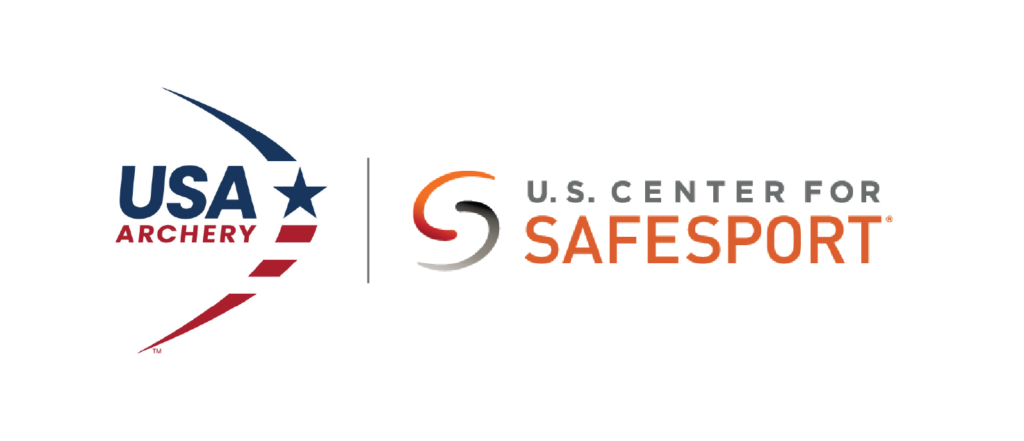
Your organization’s logo and the U.S. Center for SafeSport logo should have roughly the same visual weight, with equal spacing from the grey divider between them. Your organization’s logo should be featured first, followed by the Center’s logo. Use the following lockup configurations when cobranding with the Center.
Use the following lockup configurations when cobranding with the Center.
The SafeSport® Trained graphic is used on certificates indicating successful completion on an U.S. Center for SafeSport online course. Use of this logo in collateral or for communication purposes may be granted based on approval by the Center.
Contact [email protected] to request approval for logo usage.
The use of “SafeSport” or “Safe Sport” on a website affiliated with the USOPC, NGB, or HPMO is permitted if these requirements are met:
Us descriptions of the SafeSport Code and your organization’s MAAPP or the Center’s MAAPP if not developed with links to the policy documents or to the correct pages on our website
A link to Center-wide trainings and requirements (or your organization’s training access instructions) and a link to the Center’s NGB Services page for additional information
SafeSport Logo with tagline
Report A Concern
Code & Policies
Training & Resources
A direct link to a Safe Sport (or Athlete Safety) landing page hosted on your NGB’s website should be easily found from your website’s homepage—in service to your athletes who deserve easy routes to our confidential misconduct reporting forms and abuse-prevention resources.
If You Are Not Using USOPC NGB-Site Template
Must have a Safe Sport link in the top navigation bar of your website.
If You Are Using USOPC NGB-Site Template
Must have a Safe Sport link in the sidebar of your website.
The use of “SafeSport” or “Safe Sport” in a newsletter affiliated with the USOPC, NGB, or HPMO is permitted if these requirements are met:
Us descriptions of the SafeSport Code and your organization’s MAAPP or the Center’s MAAPP if not developed with links to the policy documents or to the correct pages on our website
A link to Center-wide trainings and requirements (or your organization’s training access instructions) and a link to the Center’s NGB Services page for additional information
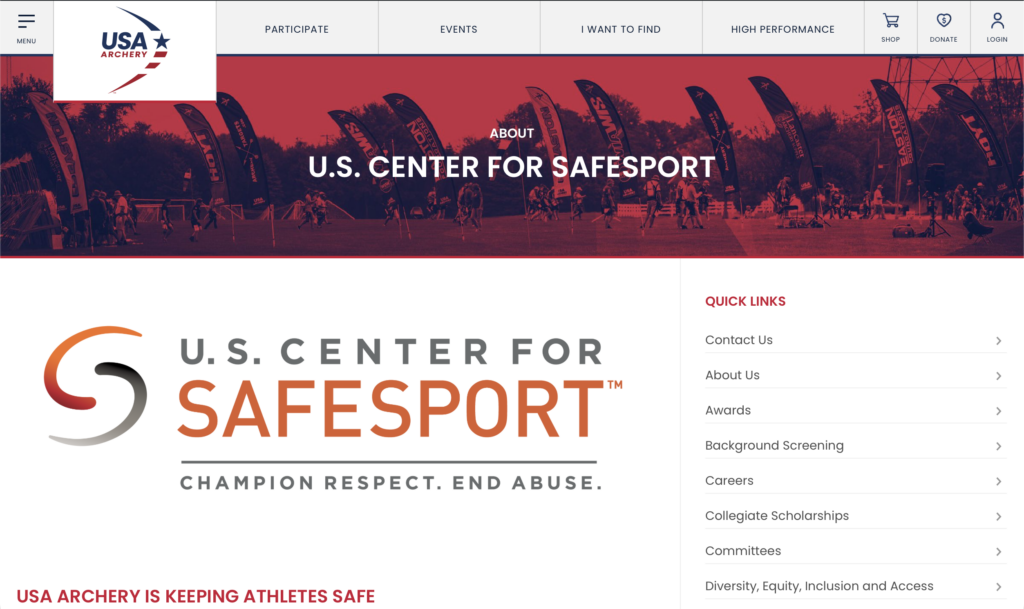
The following are examples of successful brand application.