
How Coaches and Parents Can Be Allies for Officials
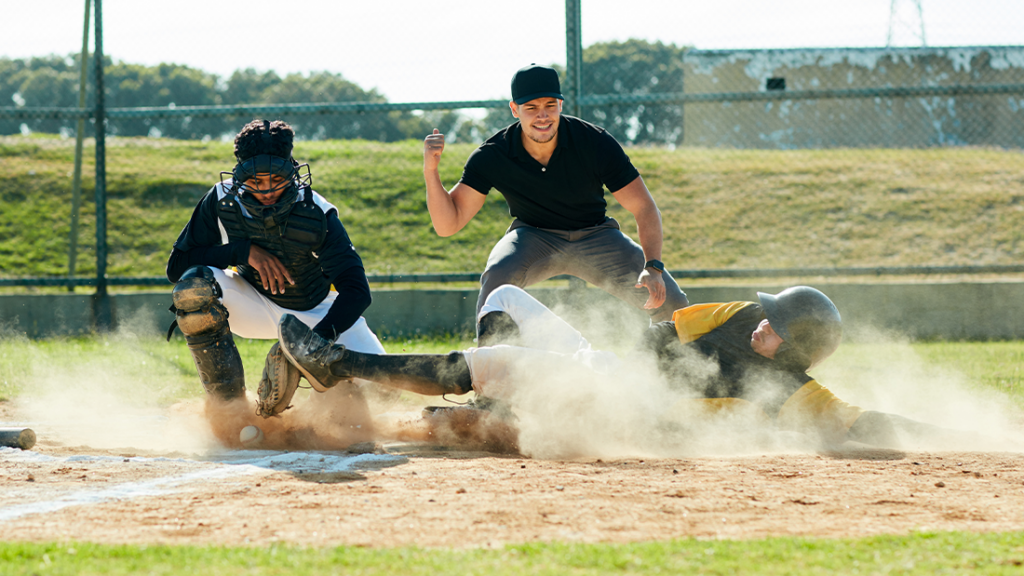
Officials and referees love the game. They dedicate time and energy to take training so they can understand the rules—and stay up to date on changes to those rules over time. What’s more, many sports depend on officials to run the field or court alongside the players, making sure every play is fair and safe.
While they’re a key component to the sport, often officials aren’t treated with the respect they deserve. It’s been well-documented that officials and referees are leaving sport entirely. Some are reaching the age of retirement and stepping down. Some never returned after the pandemic. And some are choosing to stop officiating due to concerns of abuse and harassment—particularly due to administrator, coach, player, or spectator behavior.
Parents and coaches play an important role in helping model respectful behavior, for the players and for each other. As a parent or coach, you can be an ally for officials on the field, ice, or court. Below, we’re sharing three ways you can spectate in a positive way and help make sport environments safer for everyone.
Actions You Can Take
From the spectators on the sidelines to the coaches to the players on the field, everyone has a stake in the call the official makes. This pressure can be a lot for officials to handle, especially when coaches, parents, or players are behaving in a negative way—in the form of taunting, yelling, and harassing.
As you watch the game, match, or competition, remember that sport is about more than winning; it’s about learning, having fun, and teamwork. While you might not like the call an official makes, it’s important to recognize their expertise, that they’re on the field and have a different view of the play, and that they’re trained to keep the game fair and safe.
Coaches and Parents, Be an Ally for Officials By:
- Being respectful. Don’t heckle, yell at, or say inappropriate comments to officials in person or online. Instead, be respectful of the calls they make and the role they play. Remember, officials are knowledgeable about the sport and they’re performing an integral role to the game or competition. Lastly, if a minor official is officiating, keep in mind that they’re still learning how to officiate—just like the players on the field are still learning how to play. Treat minor officials with the same respect you would give the minor players on the field.
- Remaining calm. If you feel a call was incorrectly called, take a breath and count to ten. Remember, as a parent or coach, you’re in a position to serve as a role model for those around you, including athletes. Follow the official challenge rules, then let it go and focus on the next play.
- Calling out inappropriate behavior of spectators. If you witness other spectators (coaches, parents, players) acting inappropriately toward officials, call it out. Calmly let them know that their behavior is not okay. You can help create safer sport environments by holding others accountable to team/club rules around behavior.
Abuse and misconduct have no place in sport. When spectators are rude to officials, it signals that other types of abusive behavior may be tolerated, which puts everyone at risk. By respecting officials and referees, parents and coaches can help set a positive tone and may prevent other incidents from occurring.
Expand Your Knowledge
Everyone in sport should feel safe and supported, including officials and referees. When we create an ecosystem of respect for all, we create a sport environment that does not tolerate abuse or misconduct.
Learn more about how you can help safeguard officials. Explore our article on the importance of respecting and protecting minor officials in sport. If you’re a referee or official, or you know someone who is, check out and share our quick reference guide for officials.
Lastly, consider helping your sport organization develop a spectator code of conduct so everyone understands how they should act while enjoying the game and cheering for the athletes in their lives.