
Take Action!
5 Tips Parents Can Share with Their Teens to Stop Harmful Behavior in Sport
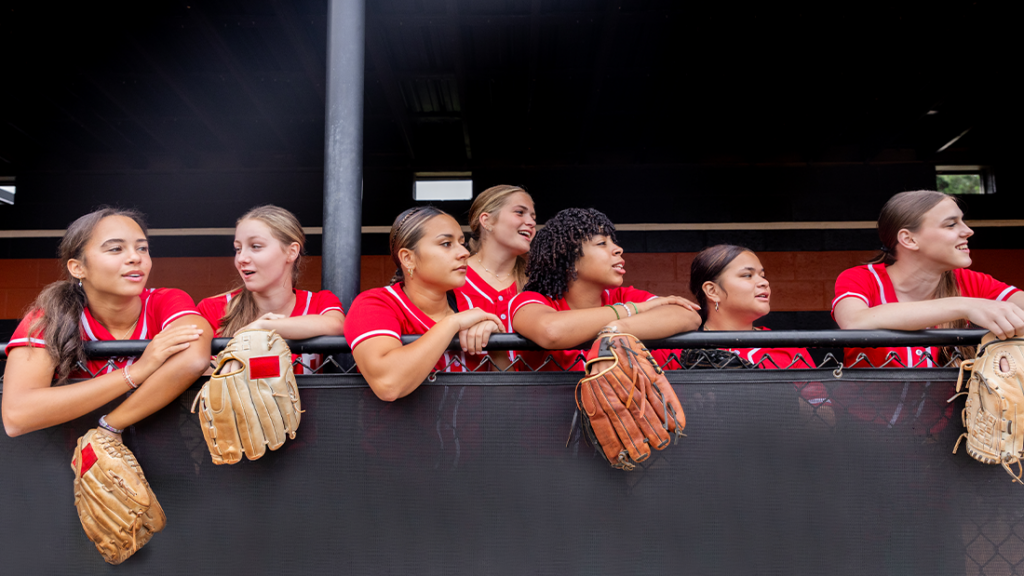
Being part of a sports team comes with many benefits for teens, from forming lasting friendships to experiencing the joy of playing the game. However, as they advance in their sport, teen athletes may encounter hurtful behavior—like inappropriate jokes, offensive comments, or more severe forms of misconduct. When this happens, parents and guardians can help teens understand how to intervene or respond appropriately.
Parents, you can also use the guidance below to stop or redirect the situation if you witness negative behavior from any sport participant—from coaches to athletes to spectators.
What is Bystander Intervention?
Bystander intervention is when a person does something to stop inappropriate, hurtful, or abusive behavior when they witness it.
Example: A team captain makes a joke about a player who has a limb difference. Parents can coach their teen athlete on how to respond—from changing the subject to directly calling their teammate out and saying that’s not okay.
By having open conversations about what bystander intervention is and how to safely intervene to stop negative behavior, you can help your teen be better prepared to foster a safer, more inclusive setting on their team.
Talk About The Five Ds
It’s important for adults, like coaches and parents, to intervene if they witness behavior that is inappropriate.
But athletes can also be proactive bystanders—calling out or documenting behavior that hurts others. By understanding how to intervene, redirect, or halt negative behavior, athletes can be a positive voice against actions like bullying, hazing, or other forms of misconduct and abuse.
Parents and guardians, use The 5 Ds of Bystander Intervention to talk to your teen about five ways they can safely respond if they encounter behavior that makes them feel uncomfortable.
- Distract. Create a diversion. Ask what time it is, change the subject, or ask one of the people involved to help you with a task.
- Delegate. Get someone else to address the concern, such as a coach or assistant coach, a friend of the individual acting inappropriately, or a parent.
- Document. Record what happened, including the date, time, location, information about people involved, and a summary of what happened. Give the information to someone with more power to act, like a coach, sport administrator, or parent.
- Delay. Buy time until it is safer to intervene. If you feel comfortable, wait until you can have a private conversation with the individual acting inappropriately about your concerns.
- Be Direct. If you feel comfortable saying something in the moment, try telling them to stop their harmful behavior or that their inappropriate joke is not funny. You can also ask the person being harmed if they want to leave.
Intervening can be scary. However, by following the 5 Ds, teens can take action in a way that avoids escalating the situation or endangering themselves or others.
Parents as Role Models
Kids often adopt behaviors they witness of those around them. As a parent or guardian, you can be a positive role model for your kids by behaving in a respectful and understanding way—and by saying something if you witness harmful behavior.
Example: If you observe another parent yelling at an official over a call, use the opportunity to practice the 5 Ds. Try distracting the parent by asking them a question about something else or speak to them privately after the game about how their behavior was out of line.
Regardless of how you intervene, it’s important to understand that you can be a part of creating a safer sport atmosphere for your child or teen.
Final Thoughts
Remember, there’s no one right way to intervene. Sometimes, using a combination of several responses is the most effective. Most of all, it’s important to prioritize safety. Help your teen understand that if it’s not safe to intervene in the moment, that’s okay. There are safe and effective ways to address the behavior after the situation, too—like telling an adult what happened or, if necessary, making a report.
Explore more tips for talking about bystander intervention, including sport-specific scenarios you can explore with your teen.