
Grassroots to Games: Safeguarding ALL Levels of Sport
Prevention Education Series
The goal of this series is to bridge the gap between prevention education theory with on-the-ground practice.
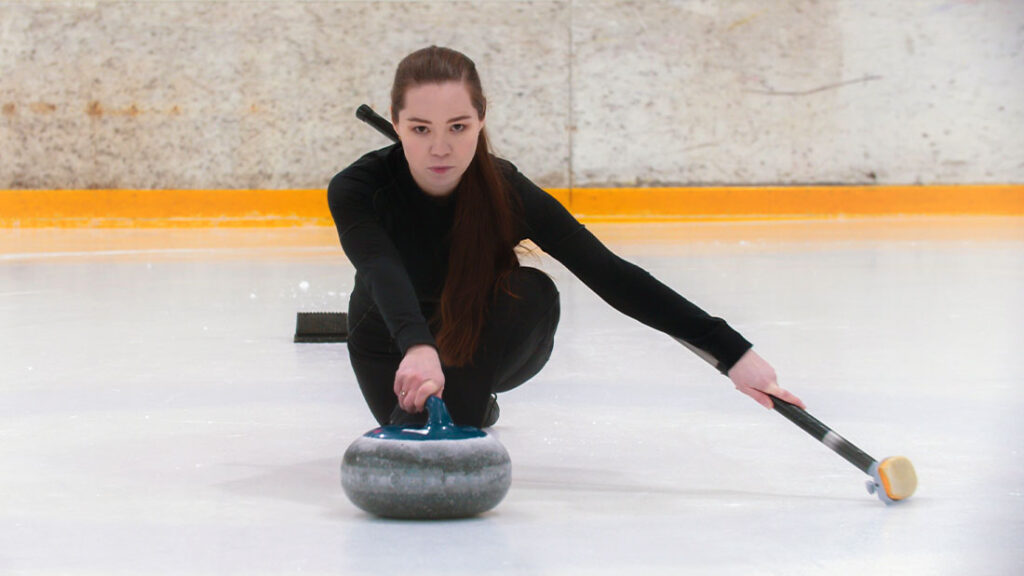
The Winter Games are an exciting time for athletes and fans of sport worldwide. For spectators, the Games create a sense of belonging. We are proud to cheer for our country, sport, or hometown athlete. Yet the aspirational nature of the Games can simultaneously make spectators feel like we are not a part of them—we simply watch them.
It can feel like the Games happen outside of our realms of control or spheres of influence. If we don’t personally know a coach or athlete, we have no direct impact on something as HUGE as the Games. I would like to challenge that a little with this post.
The Roots of our Sport Ecosystem
Spectators and fans make up an important part of our nation’s sport ecosystem. Fans who tune in and watch the Games include coaches, medical staff, athletes, and all the people personally connected to each of these roles including parents, friends, teammates, former teammates, neighbors, etc. Fans also include spectators who might not know anyone personally competing in the Games but rather grew up playing a sport or continue to have a love for a particular team.
Elite sports are one part of a complex sport ecosystem, and the Games sit within a network that is fed by smaller, more grassroots involvement. Make no mistake about it—what ultimately happens at the Games starts in small towns and discussions around the dinner table.
Sport is undeniably beneficial to communities, families, and kids. But like any institution, sport has problematic dynamics that, if left unexamined, can cause harm. From toxic competitiveness, doping, and disordered eating, to emotional, physical, and sexual abuse—what happens at the Games starts much, much earlier.
As spectators and fans of sport, we have a responsibility to confront these issues in our own backyard, but also on the national and international stage. Shining a light on the less beneficial side of sports is a key component to shifting cultures of silence which have ripple effects for generations.
Risk at the Games
Examining how abuse happens at the Games is important in our understanding of how to prevent it.
How prevalent is abuse in sport? The Center’s 2024 Athlete Culture & Climate Survey revealed that nearly one-third of athlete participants think sexual, emotional, or physical misconduct is a problem in their sport. Additional research tells us…
- Anywhere from 2% to 49% of athletes have experienced sexual abuse (rates vary by study). And those studies show that elite athletes are already at higher risk of abuse.
- Almost 55% of elite athletes reported experiencing physical violence by a coach; 48% by a peer.
- 82% of participants witnessed or experienced homophobic behavior in sport, including verbal insults and slurs, bullying, physical assaults, and threats of violence.
- Athletes with disabilities are two to four times more likely to experience abuse than athletes without disabilities.
Why are elite athletes already at higher risk of abuse?
- Many elite athletes feel the constant pressure to win no matter what—even at the cost of their physical, mental, or emotional health. Others feel pressure to maintain compensation or sponsorship deals that are tied to their performance.
- When compared to grassroots or recreational programs, elite sports typically have a small community of coaches/mentors. This means that speaking up about abuse can lead to being exiled from the highest levels of coaching in a particular sport.
- Elite athletes often train intensively for years with the same coaches and teams. They can feel a strong sense of loyalty to the people they train with and fear disappointing them if they report abuse.
- Many elite athletes train on the rink or slopes in the early morning hours because they share training facilities with other sports and activities, they need to accommodate their school or work schedule, or they are on a specific conditioning regimen. This means there are fewer adults around observing interactions between coaches and players.
- If an athlete is a member of an elite sport organization with a history of not enforcing reporting and prevention policies, they may be hesitant to come forward the first time abuse happens.
Why are the Games an even higher risk environment?
- Athletes are away from their typical support systems, family, and teammates. They may also be working with unfamiliar coaching and/or Games staff and volunteers.
- Depending on where the Games are hosted, there can be cultural or language differences that increase risk and/or present barriers to reporting.
- The shared housing where thousands of people from across the world come to train and live increases the risk of peer-to-peer violence.
- International locations can make it difficult for teams to implement the same protective protocols for minors that they may have in their home environments. For example, an ice rink may have private changing areas for minors at home, but athletes have limited choice about the physical environment they are assigned at the Games.
- While the Games are an exciting time, athletes often take the honor of representing their country very seriously. This can increase stress around winning at all costs even if what they are experiencing at the Games doesn’t feel right.
- Unfortunately, people who cause harm are aware of the pressures athletes face at the Games. They can take advantage of the fact that elite athletes are unlikely to report abuse immediately during such an important time.
Why do we have this pervasive misconception that speaking out about abuse is “weak”?
- Some sports have a long history and culture of promoting “tough” coaching techniques. Even when it crosses the line into abusive behavior, people will defend it as “how it’s always been.”
- Athletes often feel like nobody will believe them or that they’ll be called a troublemaker for reporting. They may also fear that reporting abuse will disrupt team dynamics or disappoint their coaches, teammates, or families.
- Some athletes may feel pressured to keep up with more experienced senior athletes or younger “prodigies.”
- Some athletes have attempted to disclose abuse, or even report it to authorities, but did not have a good experience. Sometimes they feel nothing changed even after reporting, or they experienced retaliation for reporting.
- Elite athletes may fear that their athletic career will be cut short. This is especially true for athletes competing for a spot at the Games that only happen once every four years.
If we want to hold up elite athletes as heroes, we must be willing to learn and speak about the risks they face in pursuit of the dreams we all feel we share. Our kids watch these elite athletes and dream of growing up to be like them. We capitalize on their success and use it as a motivational tool: “If you work hard, you can grow up to be like Chloe Kim or Declan Farmer.”
But if we want to point to the success of athletes who compete in the Games, we must also be willing to recognize and speak up about the high-risk pressures these athletes face. Further, we owe it to these athletes to examine how our local sport culture either supports or interrupts problematic dynamics in sport.
Safeguarding on a Local Level
The Games are aspirational—safeguarding athletes should be as well. We need to dream of a world where abuse doesn’t exist.
When we choose to implement safeguarding on a local level, we create ripples which influence broader sport culture. Athletes, coaches, families, and fans come to EXPECT to see safeguarding in their organizations. In turn, they will expect to see it at the highest levels of competition. Learn about how athletes competing in Milano Cortina can seek help or report safeguarding concerns.
Elite athletes’ dreams started out small, but they believed before they achieved. Success at the Games is a result of tiny, micro moments. Our approach to abuse prevention should borrow from that approach. Start small.
- First, reflect on what you do and do not know about abuse in sport.
- What safeguarding practices do your local programs have? What do they lack?
- What beliefs do you have about abuse, who experiences it, and how it happens?
- What sport-specific risks for abuse are present in your sport?
- Practice talking about abuse with other parents and kids. Check out what I had to say about talking with kids about abuse in a previous post.
- Make sure staff receive yearly training on recognizing, preventing, and reporting abuse.
- Listen to feedback, especially from athletes. They should know their voices are valued.
Letting in the Light
When I first began writing about this topic during the Paris Summer Games, I had an initial pause. Is it poor form to speak about the abuse that happens at the Games when the vibe of the world is excitement? But ultimately, I believe that silence and denial is what allows abuse at all levels to thrive. We must examine the complexities of the beloved AND problematic nature of sport. We must pull back the curtains and let the light in.
Who knows how many potential gold medal winners we have lost as a result of abuse. Dedicating ourselves to safeguarding is one of the ways that we can protect future competitors.

Monica Rivera
Vice President, Education & Research, U.S. Center for SafeSport
Monica has spent nearly two decades in the field of interpersonal violence prevention, much of that time working directly with survivors of abuse. She leads our team of subject matter experts who share a belief in the transformative power of prevention education.
Please email our education team with questions or feedback about the content of our online courses, resources, or live trainings: [email protected].
Featured Resource
We believe athletes are defined by their journey—not the medals they win. Explore our resources and learn how we support athletes during the Games and beyond.
JOIN OUR EMAIL LIST
Stay connected with the latest news, resources, and tools. Enjoy our quarterly e-newsletter, The Gameplan.